

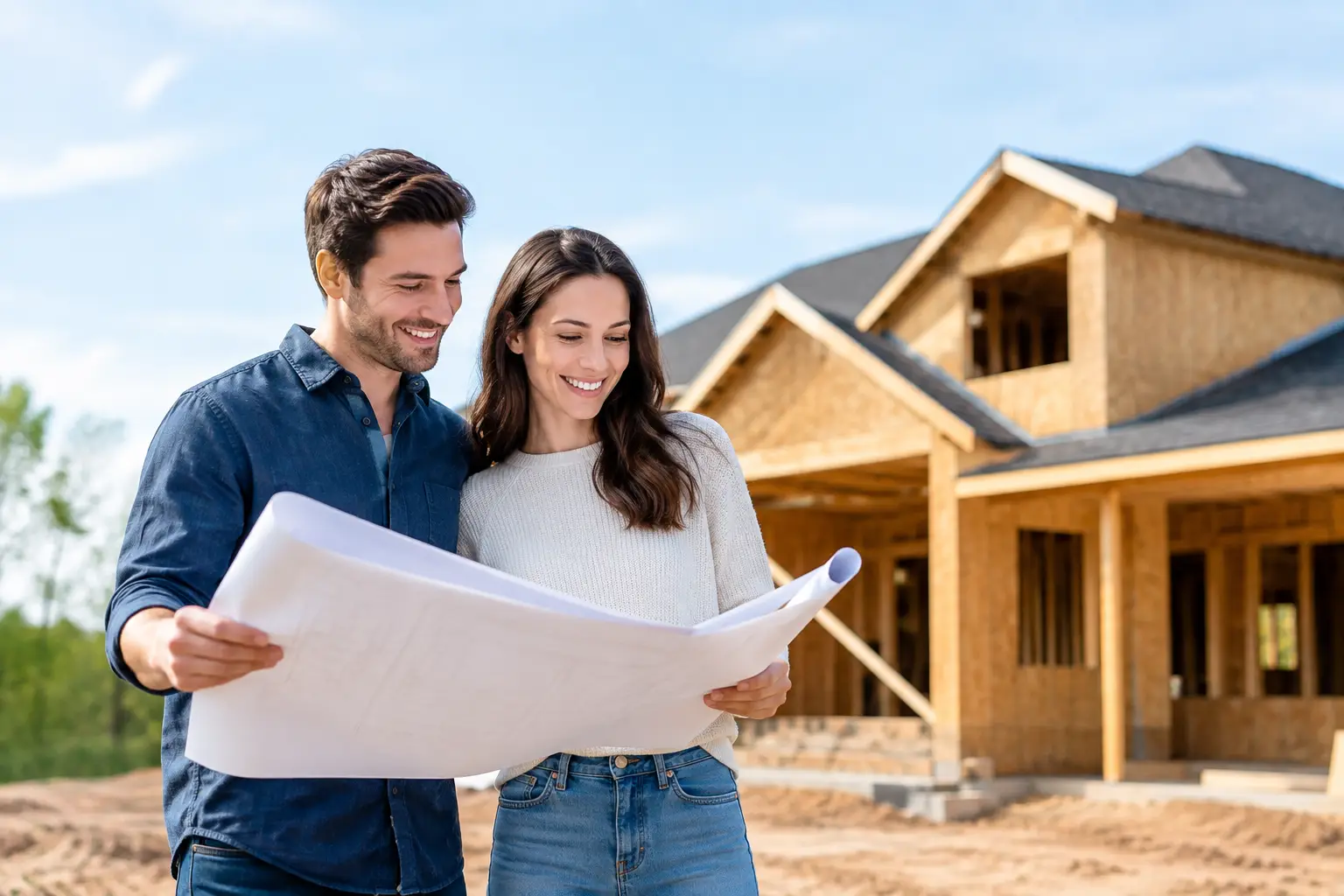
A model home is designed to make the decision feel easy. The lighting is right, the finishes are upgraded, and there is no evidence of another family’s life in the space. But learning how to buy new construction means looking past the model and treating the purchase like the major financial commitment it is. A new home can be an excellent fit, but the builder’s sales process, contract, timeline, and upgrade structure work differently from a resale transaction.
The goal is not to make the process feel intimidating. It is to make sure you understand what you are agreeing to, what is actually included, and where your leverage exists before you sign.
Start With Financing Before You Visit the Model
It is tempting to tour communities first and figure out the numbers later. That approach can create a problem when you fall for a floor plan that stretches beyond a comfortable payment or requires cash you did not plan to spend on upgrades and deposits.
Speak with a lender early, preferably one familiar with new construction. Your preapproval should account for the full expected purchase price, not merely the advertised base price. Ask about your monthly payment at different interest rates, how long a rate lock can last, and what happens if construction is delayed. A build scheduled for eight months can become a 10- or 12-month project, and a standard 30-day rate lock will not solve that problem.
Many builders offer incentives for using their preferred lender or title company. Sometimes those incentives are genuinely valuable, such as a closing-cost credit, design-center allowance, or rate buydown. Sometimes the financing terms elsewhere are better. Compare the complete loan estimate, lender fees, rate, credits, and lock terms. Do not make the decision based on a headline incentive alone.
For veterans and active-duty buyers, a VA loan can be a strong path to new construction, but the loan process and builder requirements deserve early attention. Not every builder is equally experienced with VA financing, and appraisal and property-completion requirements can affect the timeline. Bring this up before committing to a lot.
Bring Representation From the First Visit
The sales representative in a new-home community is usually professional, knowledgeable, and helpful. Their role, however, is to represent the builder’s interests. They are there to sell that builder’s homes under that builder’s terms.
Your own real estate representative can help you evaluate the contract, compare communities, identify resale implications, coordinate inspections, and keep the transaction moving when questions arise. In many communities, the builder requires buyers to register their agent on the first visit. Walking in alone and adding representation later may not be possible under the builder’s policy.
That does not mean every builder negotiation looks like a resale negotiation. Builders often hold firm on base pricing, especially when demand is strong or the community is nearly sold out. Your leverage may be stronger around closing costs, lot premiums, included features, interest-rate incentives, or upgrade allowances. A buyer’s representative helps identify what is realistic in that specific community rather than making promises that do not match the market.
Understand the Real Price, Not the Starting Price
The base price gets attention because it is on the sign. Your actual cost may be substantially higher once you choose a lot, elevation, structural options, design finishes, appliances, window treatments, landscaping, and other necessities.
Before moving forward, ask for a written breakdown of what is included in the base home and what is extra. The difference can be significant. A finished basement, additional bathroom, deck, upgraded kitchen layout, electrical package, or premium lot can change the budget quickly. In Pennsylvania and New Jersey, local property taxes, homeowner association fees, and special assessments should also be part of the conversation from the start.
A few practical questions can prevent expensive surprises:
- Which features shown in the model are standard, and which are upgrades?
- Is the lot premium refundable if financing falls through or the builder cannot complete the home?
- Are there future phases, commercial development, road changes, or utility work planned near the lot?
- What landscaping, driveway, drainage, fencing, and exterior finishes are included?
- How are property taxes estimated before the home is assessed?
Do not assume the most visible upgrades are the most important ones. Structural decisions made before construction, such as ceiling height, basement rough-ins, additional windows, or a larger kitchen footprint, can be costly or impossible to add later. Cosmetic selections can often be changed after closing for less money and with more flexibility.
Read the Builder Contract Like a Business Agreement
A builder contract is not the same as the standard agreement commonly used to purchase an existing home. It is generally written by the builder’s attorneys and is designed to protect the builder. It may limit your ability to cancel, define acceptable delays broadly, give the builder substitution rights for materials, and set strict deadlines for decisions, deposits, and walkthroughs.
This is where buyers should slow down. Review the contract carefully and, when appropriate, have a real estate attorney review it as well. Pay close attention to the deposit schedule, financing contingency, completion date language, warranty terms, default provisions, and what happens if the builder changes the home plan or cannot deliver the home on time.
Ask whether your deposit is refundable under specific circumstances. A financing contingency is not always as broad as buyers assume. If you choose to walk away because you are uncomfortable with a delay or change, you may not automatically receive your money back.
Get every promise in writing. If the salesperson says an appliance package, sod, closing credit, or particular feature is included, make sure it appears in the contract or addendum. Verbal assurances are difficult to enforce after personnel change or construction is underway.
How to Buy New Construction With Inspections
A new home should be inspected. New does not mean flawless. Construction involves many trades working on a compressed schedule, and even quality builders can have missed items, installation errors, or incomplete work.
A smart inspection strategy often includes an inspection before drywall, if the builder permits it, a full pre-closing inspection, and a follow-up inspection before the builder warranty expires. The pre-drywall inspection can reveal issues with framing, plumbing, electrical, and mechanical systems while they are still accessible. The final inspection focuses on visible defects, systems operation, safety concerns, and incomplete items.
The builder will also conduct a homeowner orientation or final walkthrough. Treat it as more than a quick tour of the thermostat and garage-door opener. Test outlets, windows, doors, appliances, fixtures, locks, and heating or cooling systems. Take photos and create a written punch list. Confirm when each item will be corrected and who will coordinate the work.
Be reasonable about cosmetic imperfections, but do not let a closing deadline pressure you into ignoring legitimate concerns. If the home is not ready, your representative, lender, inspector, and builder need a clear conversation about what must happen before settlement.
Plan for the Timeline to Move
Builders provide estimated completion dates, not guarantees. Weather, inspections, labor availability, material shortages, permit delays, and municipal scheduling can all affect the finish date. This matters most for buyers selling an existing home, ending a lease, arranging a military move, or coordinating school enrollment.
Build flexibility into your plan whenever possible. Avoid scheduling movers, terminating housing, or locking in temporary accommodations until the completion date is more certain. If you have a home to sell, discuss whether a longer closing, rent-back, bridge financing, or temporary housing plan makes sense for your situation.
Stay engaged during construction without expecting daily updates. Regular check-ins at key milestones are useful: foundation, framing, pre-drywall, cabinetry, final walkthrough, and closing. Keep copies of selections, change orders, communications, and receipts in one organized file.
Protect the Home After Closing
Your responsibilities do not end when you receive the keys. Learn the warranty process, maintenance schedule, and emergency contacts before closing. Most warranties distinguish between workmanship items, systems coverage, and structural coverage, each with its own reporting period and exclusions.
New homes also settle. Minor drywall cracks, nail pops, and caulk separation can occur as materials adjust through seasonal temperature and humidity changes. Document items promptly and submit warranty requests according to the builder’s process. At the same time, keep up with routine maintenance. A warranty does not replace basic homeowner care.
A new construction purchase can give you the layout, efficiency, and fresh start you want, provided the details match the sales presentation. Take the time to verify the numbers, secure independent guidance, and insist on clear written commitments. The right home should still feel exciting on closing day, but it should also be a decision you can defend with confidence long after the model-home shine has worn off.
Social Cookies
Social Cookies are used to enable you to share pages and content you find interesting throughout the website through third-party social networking or other websites (including, potentially for advertising purposes related to social networking).